
By Kinga Petho
The World Economic Forum, organised annually in Davos, Switzerland is subject to significant international interest every year due to their unique goal of bringing together stakeholders from the private and public sphere to discuss contemporary geopolitical issues. In 2026, the themes to be discussed revolved around geopolitical polarisation, technological transformation and economic resilience. However, the focus point of the meeting taking place between 19 and 23 January 2026 shifted towards the emerging geopolitical tensions between the United States (U.S.) and the European Union (E.U.).
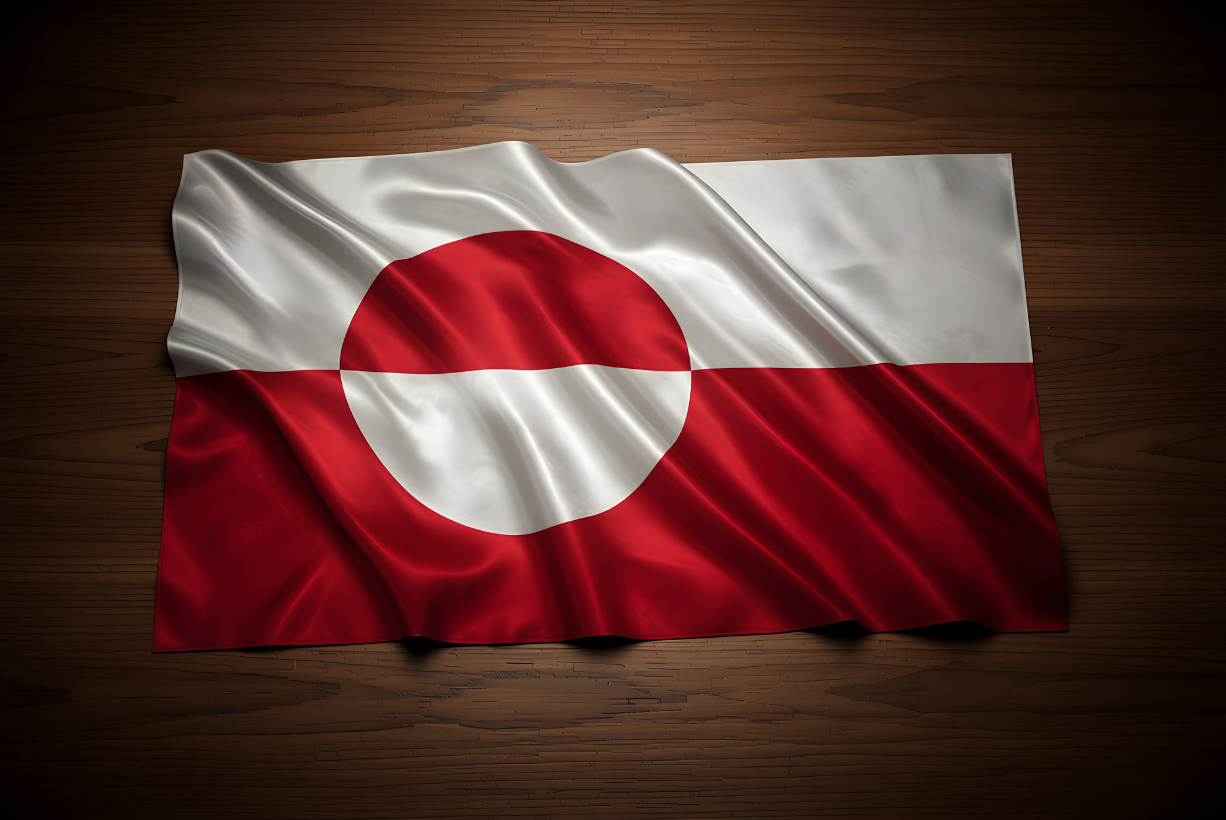
Tensions arose between the European Union and the United States at the beginning of January, following claims made by U.S. President Donald Trump about taking ownership of Greenland, an autonomous territory belonging to the Kingdom of Denmark. This was not the first instance when the US President expressed his interest in the island: in 2019, during his first term he already made similar claims, but did not follow up on them. However, in 2025, before the start of his second term, he again made several remarks about attaching Greenland to the United States, and finally at the beginning of January 2026, he repeated these claims in an interview following the military action in Venezuela.
As a response to Trump’s increasingly threatening statements, the European Union issued a joint statement in support of Denmark and the sovereignty of Greenland. Representatives of the U.S. government, Denmark and Greenland scheduled a meeting for 14 January, however, after this meeting ended without an agreement, European troops were sent to the island, arriving on the 15th of January. In retaliation, Donald Trump announced a plan for imposing 10% tariffs on goods imported from European states in support of Denmark.
The World Economic Forum, where multiple political leaders involved in the situation were scheduled to speak, commenced four days later. As the situation was already subject to significant international attention, several journal articles both by journals from the United States and the European Union were published about the developments at Davos.
This article is going to explore how different mediums from the United States and the European Union reported about the developments at Davos.
The situation was reported about in varying manners by US-based news outlets. The Washington Times (2026) called Trump’s ambitions to overtake the island “expansionist”, and warned that the actions of the president might have done “real damage” to the historically strong relationship between the United States and Europe. The New York Times (2026) criticised the World Economic Forum for “seeking Trump’s favor”, and mentioned multiple times how the focus of the summit, which was supposed to be on integration and sustainability, shifted towards geopolitical tensions. An article published by USA Today (2026) also mentioned Greenland being added to the Davos agenda, however, expert statements quoted by this article were more lenient towards the United States, claiming that “European governments should not retaliate”, and that the negotiating tactics employed by Trump “can feel uncomfortable, but appeared to be in the U.S. interests”.
European news outlets also reported in great detail about the developments at Davos, and their stances were divided as well. While Le Monde (2026) mentioned a “substantial damage” on the relationship between the U.S. and Europe, they also quoted leaders from the European Union who were in favour of the agreement made in Davos, for example Giorgia Meloni or Dick Schoof. Sky News (2026), a UK-based online newspaper called the situation a “misunderstanding” between the US and the EU. In the meanwhile, The Copenhagen Post (2026) rejected the agreement stating that NATO is in no position to “stipulate such an agreement on [Greenland’s and Denmark’s] behalf”. Politico Europe (2026) followed up on the events by describing the efforts made by Marco Rubio to at the same time continue to de-escalate the situation, as well as to persistently convey Trump’s stance on the events. Rubio, as quoted by the article, was seeking to reinforce that the United States will remain a non-violent and professional partner in the following negotiations, however, he also urges for a change within NATO.
Very few media outlets reported about other agenda points at Davos. Upon searching for “Davos” on the websites of the news outlets, Le Monde and The New York Times reported in the greatest detail about other developments at Davos, which included a new plan made by Donald Trump for Gaza, as well as the meeting between Trump and Volodymyr Zelensky.
The media is following the developments with great interest even after the end of the Davos summit. The Copenhagen Post (2026) published multiple reports about the Danish Prime Minister’s visit to Greenland following the summit, while The Hill (2026), a US-based political journal published an overview of the few already known details about the Greenland agreement. According to the article, the agreement is centered both around rights to extract minerals on the coasts of Greenland, as well as wider rights of movement for the US military around the territory of the island, including air and sea transport. Following this overview, the article did direct the reader’s attention to a claim made by President Trump stating that “the U.S. needs Greenland for national security, not minerals”.
References:
Bennhold, K. (2026). Davos Stops Pretending. The New York Times.
https://www.nytimes.com/2026/01/22/world/davos-trump-greenland-ukraine.html?searchResultPosition=8
Choi, M., Merica, D. (2026). Trump’s dramatic Davos day. The Washington Post.
https://www.washingtonpost.com/politics/2026/01/22/trumps-dramatic-davos-day/
Drummond, M. (2026). How a ‘misunderstanding’ over Greenland may have sparked diplomatic chaos. Sky News.
Gould, J. (2026). Rubio walks NATO tightrope after Trump’s Greenland gambit. Politico Europe.
Goodman, P. S. (2026). As Davos Convenes, Deference to Trump Has Replaced Everything. The New York Times.
https://www.nytimes.com/2026/01/19/business/davos-president-trump.html?searchResultPosition=7
Mancini, R. (2026). What we know about Trump’s Greenland deal. The Hill.
https://thehill.com/homenews/administration/5701884-trump-greenland-deal-framework-details/
Menini, B. B. (2026). Trump announced a Greenland agreement, but NATO denies it. Denmark and Greenland: “NATO has not negotiated on our behalf”. Nuuk: OK to a larger military presence. The Copenhagen Post.
Meredith, S. (2026). How Greenland went from backburner issue to geopolitical flashpoint in just 2 weeks. CNBC.
https://www.cnbc.com/2026/01/21/greenland-trump-denmark-timeline-of-diplomatic-tensions.html
Trump cancels tariff threat over Greenland, says NATO agreed to ‘framework’ of future Arctic deal. (2026). Le Monde. https://www.lemonde.fr/en/international/article/2026/01/21/trump-says-agreed-framework-for-us-deal-over-greenland-calls-off-tariffs-on-european-allies_6749666_4.html?search-type=classic&ise_click_rank=12
Leave a Reply