
By Kinga Petho
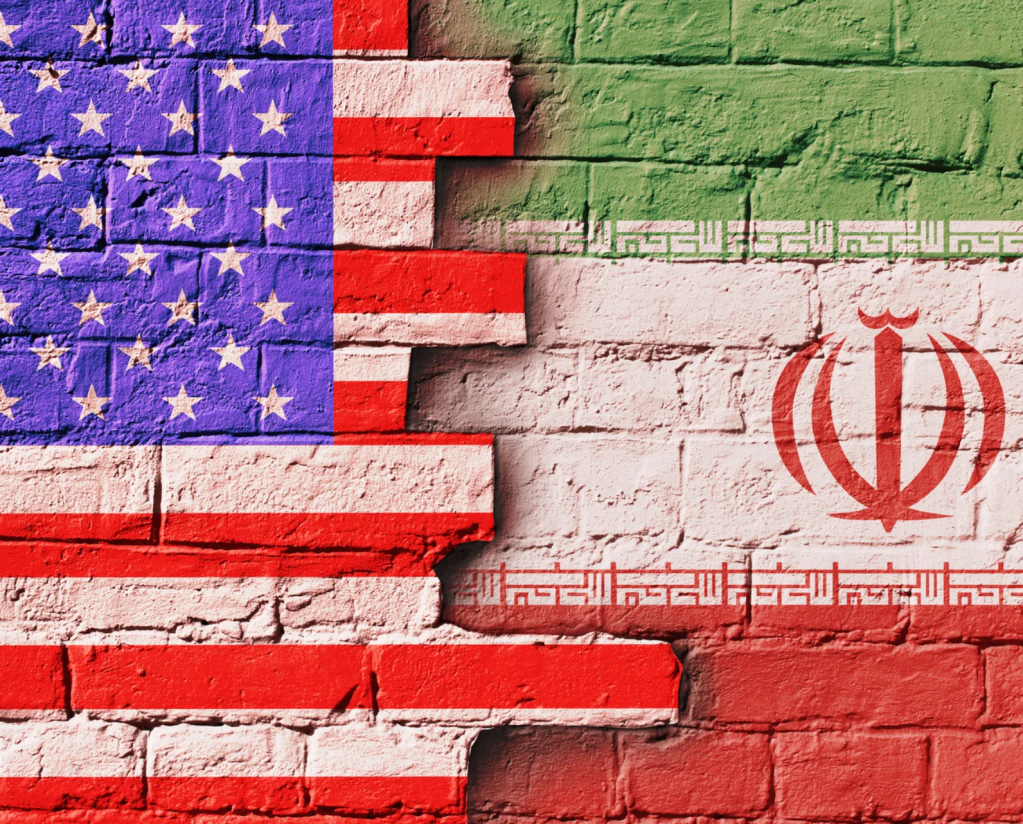
Donald Trump launched a joint attack with Israel against Iran on the 28th of February 2026. The manoeuvre, which was forecasted by the US President to last a couple of weeks (Faguy & Bush, 2026), was of interest to those in various parts of the world, especially following the closure of the Strait of Hormuz, a vital transit way between the Eastern and Western sides of the globe (Cavale, 2026).
The conflict is a complex geopolitical event with significant political, economic, and humanitarian implications across the globe (Iran’s War With Israel and the United States, 2026). This article will explore the centre narratives broadcast by the main stakeholders within the conflict, including major European, US-based and Middle Eastern online journals, to discover which segment(s) of this complex and disruptive event stand in focus at different parts of the world.
Le Monde, the left-leaning French newspaper, has been following the conflict since its onset. On their online site, under the search term “Iran” (https://www.lemonde.fr/en/iran/2) they published 10 articles per day by the 5th of April, predominantly in the middle of March, when the conflict was escalating daily. The vast majority of Le Monde’s articles found under this search term concern economic topics, such as the state of Iranian industrial infrastructure and the economic effects of the war. It also frequently reports on diplomatic developments regarding the war, for example, the alleged Iran-U.S. negotiations, NATO’s response to the events, or France’s political stance regarding the situation.
Within the economic sphere, two topics are of primary concern for Le Monde: the fate of Kharg Island and the impact of the war on Russian interests. On the other hand, when discussing diplomatic topics, the journalists often quoted critical voices such as French President Emmanuel Macron, who stated that a military operation was “unrealistic” (Macron says military operation to liberate Strait of Hormuz ‘unrealistic’, 2026), or Joseph Kent, the Director of the National Counterterrorism Center, who resigned with a public letter in protest to the Iran war (Senior US counterterrorism official resigns to protest Iran war, 2026).
Meduza, a Latvia-based independent Russian online newspaper, also reported about the events, however, significantly less and with a narrower scope than Le Monde. The articles published by Meduza strictly focused on the war’s impact on Russia, claiming that “Russia is arguably one of the main beneficiaries of the conflict” (Soaring oil prices could bring the Kremlin billions – but they still won’t fix the Russian economy, 2026). Many of their articles focus on the economic benefit Russia gains from the conflict; however, a large proportion of the articles also report on the impact of the conflict on the Russo-Ukrainian war, focusing on the delayed U.S.-brokered peace negotiations (Middle East war delays Ukraine-Russia peace talks as Trump administration weighs lifting oil sanctions, 2026). The new defence pacts between Ukraine and several Middle Eastern countries were commented on in one article, which is (currently) the last one reporting on the conflict (Zelensky deepens defense ties in Middle East as Arab states seek Ukraine’s drone expertise but look to preserve ties with Russia, 2026).
Index.hu, a Hungarian government-affiliated online journal, also publishes frequent reports about the conflict in Iran, with multiple short reports in a day. On their online site, the same search term was used as on the one of Le Monde (“Iran”). The articles found on Index’s site under this search term (https://index.hu/24ora/?word=1&pepe=1&tol=1999-01-01&ig=2026-04-05&s=Ir%C3%A1n) primarily concern military topics, such as the vast majority of reported damage taken by Iranian infrastructure. The narrative broadcasted by this journal significantly differs in tonality from that of Le Monde: they typically avoid referencing stakeholders involved with the conflict, and they generally do not report on the economic aspect of the war, nor on casualties suffered by the U.S. or Israel.
Regarding the U.S.’s narrative, tonality vastly differs from journal to journal, depending on political affiliation. Fox News, a government-affiliated medium, published frequent reports about Donald Trump’s public speeches addressing the conflict, as well as about the Iranian regime’s alleged response to the protesters in Iran (Iran regime uses war to mask ‘brutal’ execution surge against political opponents, 2026). When compared to the other previously mentioned media, they appear less concerned with the economic implications of the conflict, but much more concerned with the Trump administration’s stance on the events. On the other hand, The New York Times, a rather anti-Trump-administration medium, quotes more frequently Iranian state communication (Iran’s Supreme Leader Vows ‘Not Back Down’ as Protests Swell, 2026), describes strategic decisions within the U.S. offensive, and explicitly analyses political symbolism behind the events.
Among the media that have been analysed so far, Al Jazeera of the Middle East is the most concerned with the humanitarian implications of the conflict. The vast majority of Al Jazeera’s publications under the search term “Iran” (https://www.aljazeera.com/search/iran) concern civil casualties in Iran, Lebanon and other Gulf states, as well as hits suffered by civilian infrastructure in these states.
Lastly, Haaretz, an Israeli online journal, publishes multiple reports about the conflict on a daily basis (https://www.haaretz.com/ty-search?q=Iran). These articles place a specific focus on the U.S.-Israeli collaboration during the conflict, hits taken by Israeli infrastructure due to Iranian strikes, and developments of the U.S. state communication regarding the conflict. As the site is a collector of news articles published about Israeli interests, it does not broadcast a specific narrative; however, the focus on state communication and U.S.-Israeli military advancements is detectable.
In conclusion, among the multifaceted implications of the conflict, European news outlets are primarily concerned with the political and economic developments of the conflict with a specific focus on U.S. state communication and the impact of the conflict on the Russo-Ukrainian war; U.S. and Israeli news outlets are most concerned with U.S. military strategy and state communication; and Middle Eastern sources (almost singularly) are most concerned with the humanitarian implications of the conflict. Overarchingly, the U.S. state communication regarding the conflict is the most frequently discussed topic by all the analysed media worldwide.
Sources:
Bailey, B. (2026). Iran regime uses war to mask ‘brutal’ execution surge against political opponents. Fox News. Retrieved from: https://www.foxnews.com/world/iran-regime-uses-war-mask-brutal-execution-surge-against-political-opponents
Cavale, S. (2026). Oil settles up 9% as Iran vows to keep Strait of Hormuz closed. Reuters. Retrieved from: https://www.reuters.com/business/energy/oil-climbs-tankers-are-attacked-iraqi-waters-amid-middle-east-war-2026-03-12/
Faguy, A., Bush, D. (2026). When will the Iran war end? Tracing the Trump administration’s timelines. BBC. Retrieved from: https://www.bbc.com/news/articles/c4g4e6z9960o
Iran’s War With Israel and the United States. (2026). Center for Preventive Action, Global Conflict Tracker. Retrieved from: https://www.cfr.org/global-conflict-tracker/conflict/confrontation-between-united-states-and-iran
Macron says military operation to liberate Strait of Hormuz ‘unrealistic’. (2026). Le Monde. Retrieved from: https://www.lemonde.fr/en/international/article/2026/04/02/macron-says-military-operation-to-liberate-strait-of-hormuz-unrealistic_6752051_4.html
Middle East war delays Ukraine-Russia peace talks as Trump administration weighs lifting oil sanctions. (2026). Meduza.io. Retrieved from: https://meduza.io/en/feature/2026/03/10/middle-east-war-delays-ukraine-russia-peace-talks-as-trump-administration-weighs-lifting-oil-sanctions
Nikonauzar, L., Breeden, A. (2026). Iran’s Supreme Leader Vows ‘Not Back Down’ as Protests Swell. The New York Times. Retrieved from: https://dnyuz.com/2026/01/09/irans-supreme-leader-vows-to-not-back-down-as-protests-swell/
Senior US counterterrorism official resigns to protest Iran war. (2026). Le Monde. Retrieved from: https://www.lemonde.fr/en/international/article/2026/03/17/senior-us-counterterrorism-official-resigns-to-protest-iran-war_6751531_4.html
Soaring oil prices could bring the Kremlin billions – but they still won’t fix the Russian economy. (2026). Meduza.io. Retrieved from: https://meduza.io/en/feature/2026/03/26/soaring-oil-prices-could-bring-the-kremlin-billions-but-they-still-won-t-fix-the-russian-economy
Zelensky deepens defense ties in Middle East as Arab states seek Ukraine’s drone expertise but look to preserve ties with Russia. (2026). Meduza.io. Retrieved from: https://meduza.io/en/feature/2026/03/31/zelensky-deepens-defense-ties-in-middle-east-as-arab-states-seek-ukraine-s-drone-expertise-but-look-to-preserve-ties-with-russia
Disclaimer of liability:
While we are transparent about all sources used in this article and double-checked all the given information, we make no claims about its completeness, accuracy or reliability. If you notice a mistake or misleading phrasing, please contact centuria-sa@hhs.nl .
This article also contains links to other third-party websites, which have only been placed for the convenience of the reader and does not imply endorsement of contents of said third-party websites.
 Home | Centuria Study Association
Leave a comment